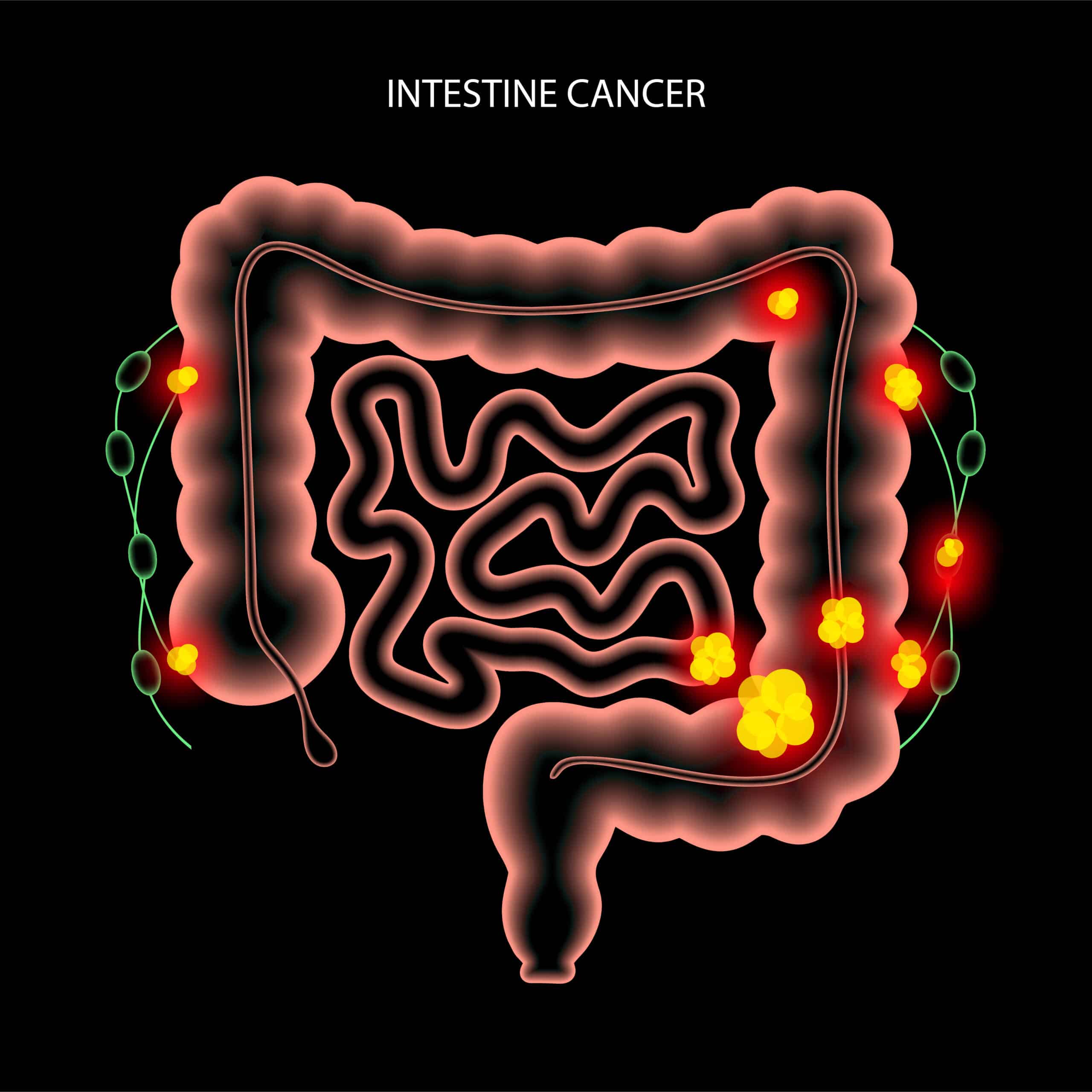
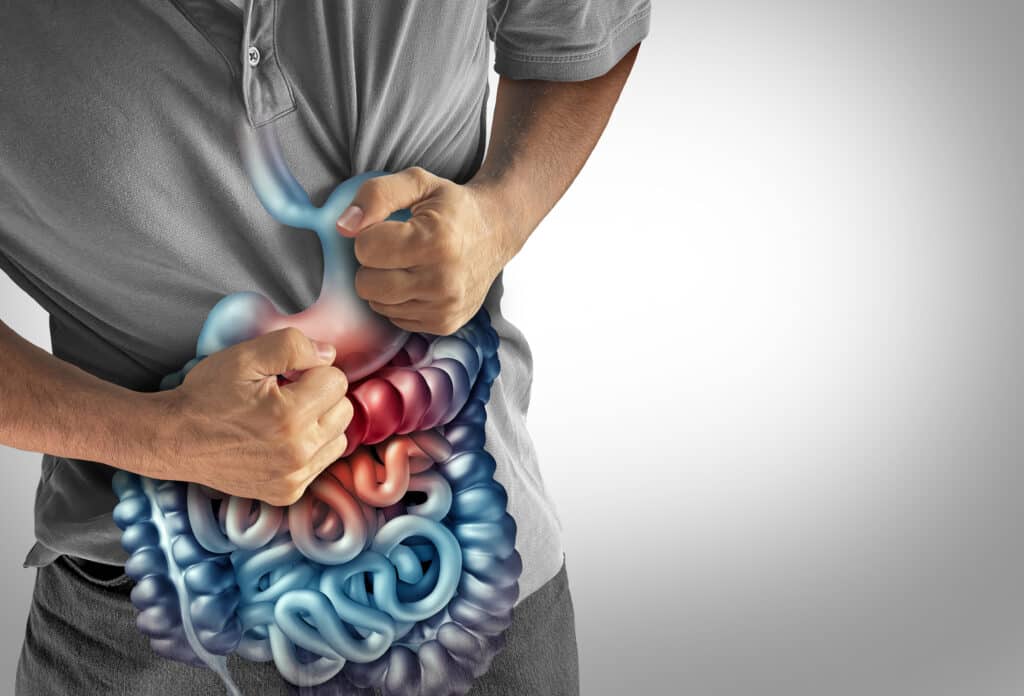
Gascolon
- Gascolon is a natural medicine relieves symptoms associated with IBS; abdominal pain, bloating constipation and diarrhea.
- Several evidence-based studies concluded that Gascolon components have effective inti-inflammatory properties.
Active components
•Gascolon consists of three components:
1.Pomegranite seeds جلنار
2.Yellow Myrobalan اللوز الهندي
3.Finicchio الرازيانج
Pomegranite seeds جلنار
- Pomegranates are a beautiful fruit, with shiny red “jewels” called arils inside, containing sweet, juicy nectar that surrounds a white seed in the middle.
- While opening a pomegranate and freeing the jewels from the fruit is hard work, you might be making it even more difficult by spitting out the seeds.
- Botincal Name: Punica granatum
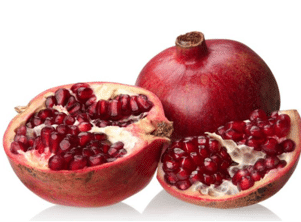
Pomegranite seeds
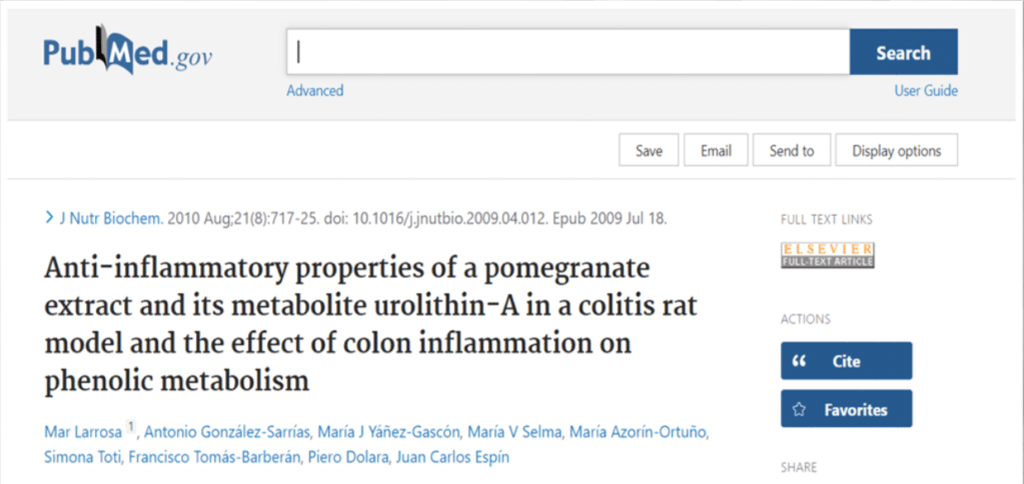
- Pomegranates have been shown to contain 124 different phytochemicals, and some of them act in concert to exert antioxidant and anti-inflammatory effects on cancer cells.
- Ellagitannins are bioactive polyphenols present in pomegranate
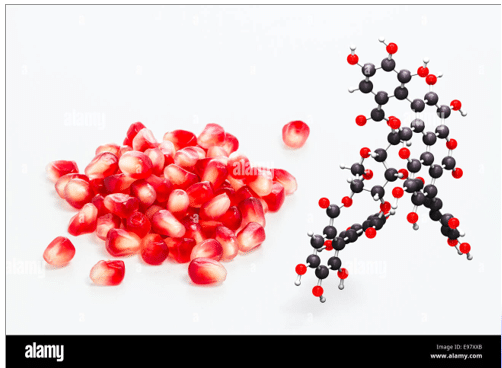
Pomegranite seeds
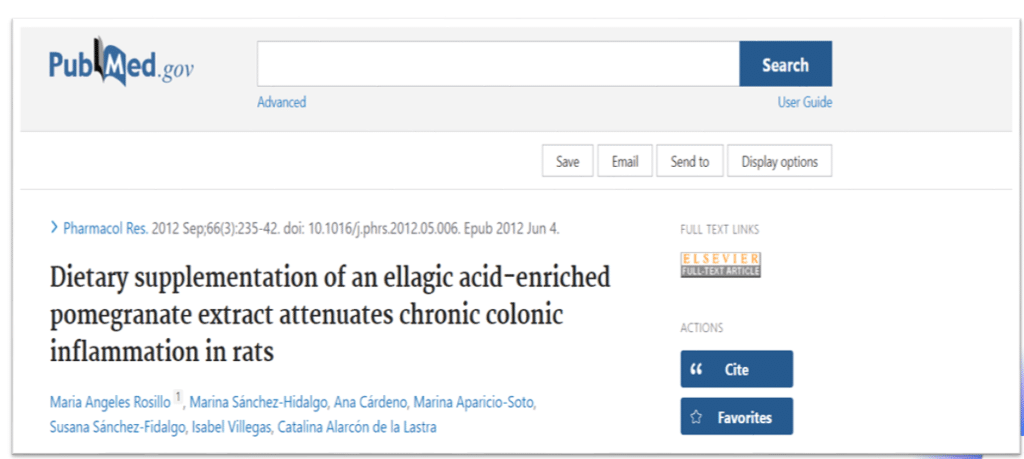
•A strong evidence base suggests that pomegranate fruit exerts anti-inflammatory effects that may alleviate the symptoms of IBD; colon tissue damage, antioxidant status, and inflammation were all ameliorated by pomegranate fruit supplementation in rodent models of IBD.
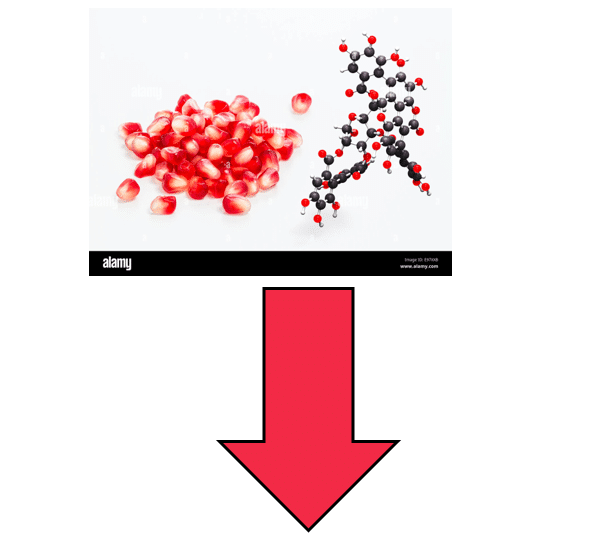
•Since pomegranate bioactive molecules, mainly ETs, are poorly absorbed in the stomach and small intestine and metabolized mainly in the colon to ellagic acid and urolithins, where they can be found at relatively high concentrations, their effects on intestinal inflammation merit attention.
•Some work has described the beneficial effects of pomegranate ET metabolites on inflammation in cultured colon fibroblasts.
Pomegranite & Colon
•The importance of gut microbiota in human health and pathophysiology is undisputable.
•The functional dynamics of gut microbiota in human health and disease remain elusive.
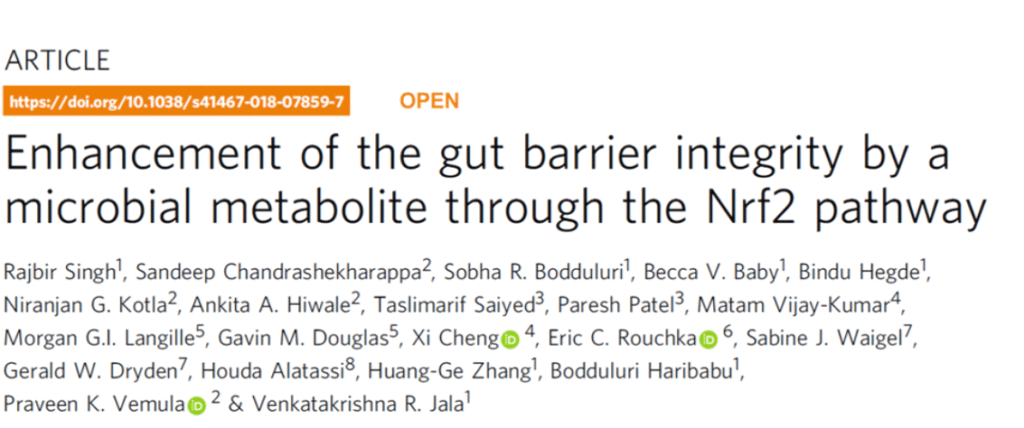
•Urolithin A (UroA), a major microbial metabolite derived from polyphenolics of berries and pomegranate fruits displays anti-inflammatory, anti-oxidative, and anti-ageing activities.
•Here, we show that UroA and its potent synthetic analogue (UAS03) significantly enhance gut barrier function and inhibit unwarranted inflammation.
•We demonstrate that UroA and UAS03 exert their barrier functions through activation of aryl hydrocarbon receptor (AhR)- nuclear factor erythroid 2–related factor 2 (Nrf2)-dependent pathways to upregulate epithelial tight junction proteins.
•Importantly, treatment with these compounds attenuated colitis in pre-clinical models by remedying barrier dysfunction in addition to anti-inflammatory activities. Cumulatively, the results highlight how microbial metabolites provide two-pronged beneficial activities at gut epithelium by enhancing barrier functions and reducing inflammation to protect from colonic diseases
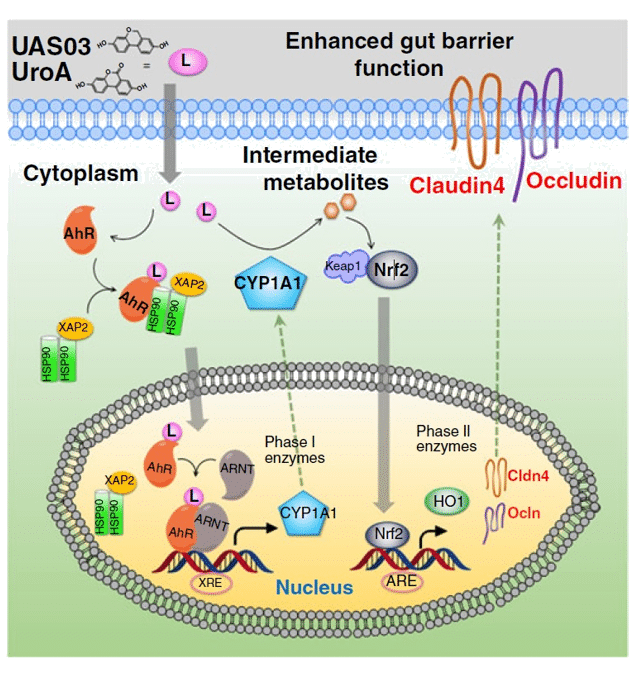
- AhR-Nrf2 dependent tight junction protein regulation by UroA/UAS03.
- UroA/UAS03 (L:ligands) bind to AhR and activate its nuclear translocation to induce expression of Cyp1A1 and Nrf2.
- Further, UroA/UAS03 causes Nrf2-dependent upregulation of tight junction proteins and enhanced barrier function.
- Cumulatively, the results highlight how microbial metabolites provide two-pronged beneficial activities at gut epithelium by enhancing barrier functions and reducing inflammation and oxidation to protect from colonic diseases
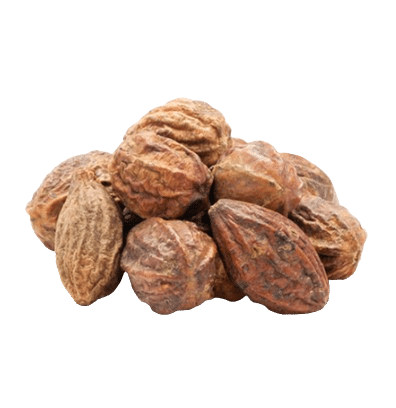
Yellow Myrobalan اللوز الهندي
- Yellow Myrobalan is a medium to large deciduous tree growing to 30 m (98 ft) tall, with a trunk up to 1 m (3 ft 3 in) in diameter.
- Yellow Myrobalan Is found throughout South and Southeast Asia.
- This tree yields smallish, ribbed and nut-like fruits which are picked when still green.
- Botanical Name: Terminalia chebula
Triphala ….
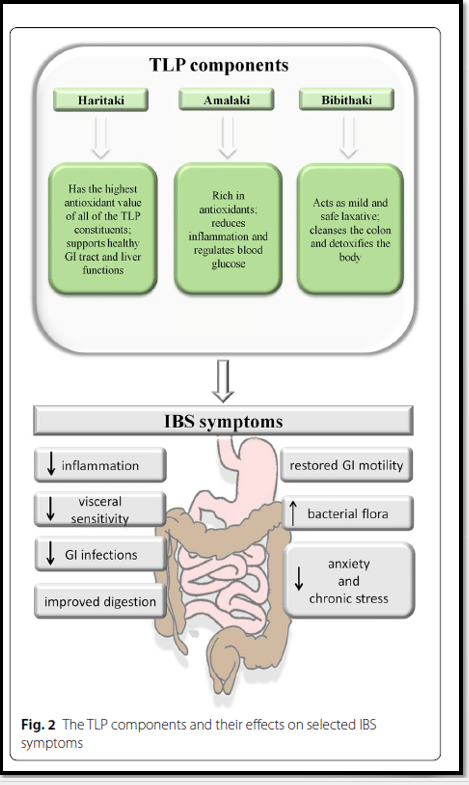
- Triphala is an ayurvedic herbal formulation of dried fruits from herbal plant Terminalia chebula.
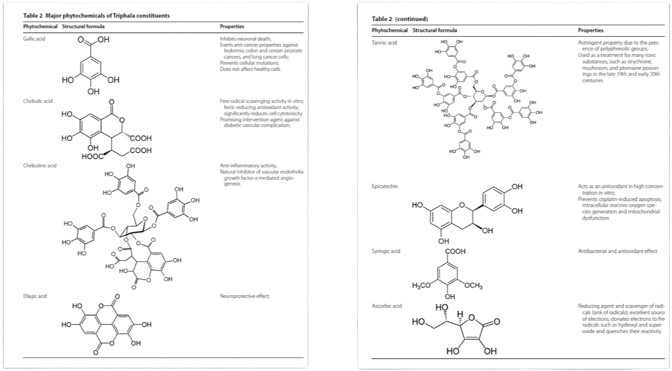
- Fruits of T. chebula, that are harvested in the spring, are a rich source of tannins (30–40%), e.g. chebulic acid, chebulinic acid, neochebulinic acid, corilagin, chebulagic acid, gallic acid, ellagic acid, punicalagin, terchebin and terflavin A.
- T. chebula fruits additionally contain flavonoids (luteolin, rutins and quercetin), and other phytochemicals (anthraquinones, saponins, β-d-glucogallin, 1, 3, 6-trigalloyl glucose, and 1, 2, 3, 4, 6-penta-O-galloyl), starches, amino acids (aspartic acid, glutamic acid, arginine, proline and lysine), fructose, succinic acid, β-sitosterol and fatty acids.
- So far, T. chebula fruits have been utilized in conventional pharmaceuticals to battle ailments of the upper respiratory tract, GI tract, urinary tract and skin.
TLP …. Antimicrobial activity
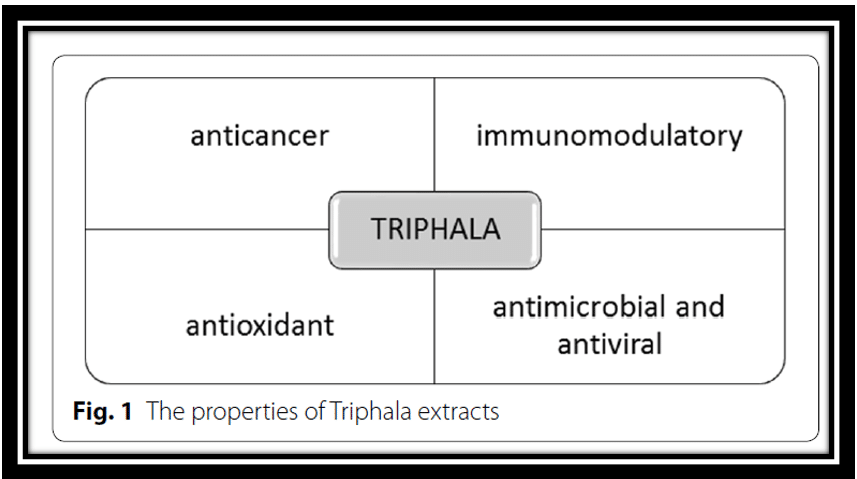
- Triphala is known to exert antibacterial action against a variety of Gram-positive and Gram-negative bacteria— e.g. Streptococcus, a gram positive, anaerobic bacterium mostly found between adjacent teeth or in the deep crevices on occlusal of teeth, or Helicobacter pylori, the principal cause of inflammation in the gastric mucosa.
- Worth mentioning, due to impaired immune system and thus inability to eliminate bacteria from the gastric mucosa, the bacteria-generated symptoms reach beyond the stomach and very often include abdominal pain, heartburn, belching or/and flatulence; the bacteria also affect lower GI motility and consequently result in constipation.
- Triphala is also an antiviral operator that acts against swine flu and other viruses, e.g. HSV-1, HIV-1 or cytomegalovirus or hepatitis B virus (HBV)-surface antigen
Anti‑cancer activity:
- The major phytoconstituent of TLP—gallic acid, is believed to have a great impact on the anticancer properties of the polyherbal formulation of Ayurveda, as it inhibits cancer cell proliferation. Hence, it may be considered as a major determinant of antimutagenic and cytotoxic activity of TLP. In human colon cancer cells (HCT116) and stem cells (HCCSCs) the methanolic extracts of TLP exerted a dose-dependent antiproliferative properties and proapoptotic action independently of p53 status of the cells. Moreover, treatment with TLP extract induced apoptosis which decrease cell proliferation and colony formation.
Antioxidant activity
- Since antioxidants play an important role in protecting the human body against damages caused by reactive oxygen species (ROS), many studies have been devoted to uncovering the anti-oxidant potential of TLP. TLP possesses superoxide radical scavenging and hydroxyl radical-scavenging activity as shown in in vitro and in vivo studies. Worth mentioning, the aqueous and alcoholic extracts of the individual constituents enhance the activation of macrophages due to their ability to scavenge free radicals and neutralize ROS.
- The alcoholic concentrate of T. chebula and T. bellerica extracts induce the production of ROS in macrophages mainly through the pro-phagocytic activity of gallic acid
Immunomodulatory activity
- It has been observed that through the range of biologically active compounds, e.g. gallic acid, ellagic acid, chebulinic acid etc., TLP can help reduce inflammation by lowering the expression of pro-inflammatory mediators.
- The alcohol extract of the dry ripe fruit of T. chebula protected cells from oxidative stress by inhibiting lipid peroxidation, increasing the levels of glutathione, superoxide dismutase and CAT, and by changing the mRNA expression of selected pro-inflammatory cytokines— IL-2, Il-10 and TNFα in vivo [74, 75]. TLP also improved the natural killer cell viability and antibody-dependent cellular cytotoxicity in Dalton’s lymphoma bearing mice.
- The immunomodulatory characteristics of TLP have also been tested using carbon clearance test and delayed type hypersensitivity response in vivo (Foot Pad Swelling).
- TLP mega extract when administered orally (at low and high doses—100 and 500 mg/kg, respectively) increased the carbon clearance index, which was reflected in improved phagocytic function of mononuclear macrophage and nonspecific immunity. Moreover, the extract stimulated the production and release of T cells.
- Many studies showed that modulation of NF-κB activity presents a promising target for the treatment of inflammation-related disorders and since TLP can act via this pathway, it makes it a suitable option for the prevention or management of many diseases.
- Available studies indicate bidirectional activity of TLP (very often focusing on a particular component of TLP) as it is likely to either accelerate or slow down intestinal peristalsis.
- Mehmood et al. Another study was designed to evaluate the enteroprotective effect of TLP formulations in methotrexate-induced damages in rats. Different formulations of TLP solutions protected from intestinal injuries by improving epithelial cell integrity of tight junctions and restoring the brush border membrane of intestine, and decreasing the myeloperoxidase and xanthine oxidase level in the gut mucosa.
- Possible clinical application of TLP has also been assessed in patients with functional constipation. An open label, prospective, interventional and exploratory clinical trial conducted by Munshi et al. demonstrated that 1 week treatment with TLP increases the average weekly bowel frequency by 64.4 and by 79.5% after 2 weeks. The increase in the mean bowel movement maintained 7 days after observatory period and was approximately 18% higher than that of baseline value.
- Another study showed that one of the constituents of TLP, T. chebula, ameliorated digestion and severe and continuous constipation as well as reduced intestinal cramps . It has also been shown that the long-term (45 days) treatment with TLP improved the number, frequency and consistency of stools excreted per day and decreased the abdominal pain and bloating in healthy patients vs. control individuals who did not receive TLP. No side effects in the treated group were reported.
- It seems that TLP can be endorsed in the primary line treatment for patients with delayed GI motility, however several other studies indicated TLP as an anti-diarrheal agent thus disproving an earlier stated assumption.
- The anti-diarrheal effect of water and alcoholic solutions of TLP were examined in a rat model of castor oil-induced diarrhea. Each solution, independently of the dosage used in the study (200, 400 or 800 mg/kg) prolonged the whole GI transit and increased the weight of feces.
- In oral toxicity testing, aqueous and alcoholic solutions of TLP were viewed as effective and safe in the dosage up to 1750 mg/kg. It has been reported that the presence of phytochemicals in TLP, such as alkaloids, flavonoids, tannins, terpenes and sesquiterpenes could be responsible for the anti-diarrheal, antisecretory and spasmolytic effects of TLP .
- TLP inhibits the growth of pathogenic microorganisms in the intestines which may aggravate intestinal symptoms. Polyphenols in TLP can modulate the human gut microbiota by promoting the growth of beneficial Bifidobacterium and Lactobacillus species and inhibiting the growth of undesirable intestinal residents, such as Escherichia coli, which may induce the inflammatory reaction.
- Moreover, TLP derived polyphenols e.g. chebulinic or ellagic acids, can be transformed by the human intestinal microbiota into various active metabolites, including urolithins, which modulate the inflammatory process by generating anti-inflammatory compounds and preventing from oxidative injuries of enterocytes.
- The possible manipulation of gut microbiota by TLP extracts may represent a new strategy in the development of functional foods or nutraceuticals and become an effective way of restoring gut microbiome in patients with impaired lower GI function e.g. patients with IBS.
Finicchio الرازيانج
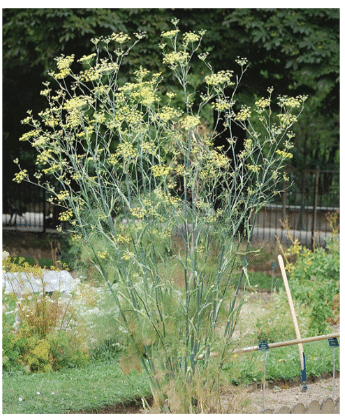
- Fennel (Foeniculum vulgare) is a flowering plant species in the carrot family.
- It is a hardy, perennial herb with yellow flowers and feathery leaves.
- It is indigenous to the shores of the Mediterranean but has become widely naturalized in many parts of the world
- Botanical name: Foeniculum vulgare
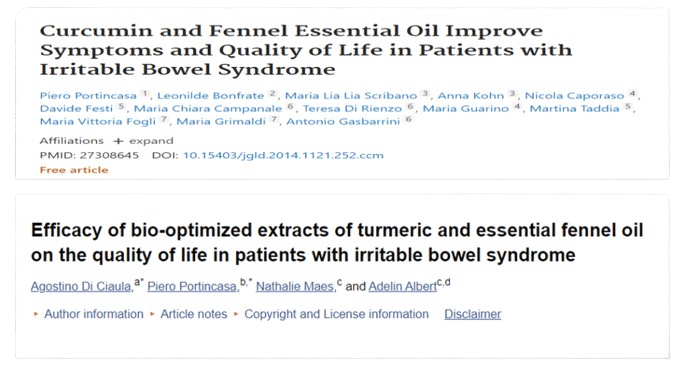
- Fennel tea may aid healthy digestion, and treat bloating, gas, or cramps, and may also act as a diuretic. According to herbalists, fennel seed is an effective aid to digestion. It can help the smooth muscles of the gastrointestinal system relax and reduce gas, bloating, and stomach cramps.
- One of the significant benefits of fennel is its anti-spasmodic qualities. Because of this, some people believe that fennel tea may also play a role in reducing the symptoms of colic in infants.
- Fennel seeds also reduce inflammation. This may help soothe swelling or irritation in the intestines and improve digestion.
- Fennel seeds may also relax muscles in the intestines, which can help relieve constipation. Soothing muscles in the stomach and intestines helps to relieve gassiness that’s from constipation or acid reflux.
- Anethole is the main component that gives fennel seeds these beneficial effects.
Gascolon …. As a whole benefits
•Gascolon relives symptoms of IBS and reduce Inflammation related disorders:
1.Enhancement of gut membrane barrier function and rich content of fiber Aid healthy digestion which relives IBS related defection imbalance (Constipation/ Diarrhea), improve nutrient absorption & GI clearance from Toxins.
2.Anti-spasmodic, smooth muscle relaxation and anti- gas to relive pain associated with cramps, Gassiness and Bloating.
3.Evidence based researches collectively indicate anti-inflammatory, anti-cancer & anti-oxidant effect on all diseases affect lower GIT especially Colonic diseases.
4.Anti-microbial effect which protect gut from contamination especially during weak immunity cases.
5.Natural source of Fibers, minerals and vitamins.
- GasColon® يساعد على حل مشاكل الهضم المرتبطة بتهيج القولون العصبي (امساك / اسهال) ويحسن من امتصاص الغذاء وتفريغ القناة الهضمية من المواد الضارة وذلك عبر تقوية جدار الأمعاء بالإضافة الى محتوى المستحضر من الالياف الطبيعية.
- GasColon® يساعد على التخلص من التشنج المعوي والغازات مما يريح المريض من آلام المغص المعوي و النفخة المرتبطة بهما.
- GasColon® يعمل كمضاد للالتهاب ومضاد للأكسدة مما يساعد في علاج أمراض التهاب الأمعاء السفلية وذلك وفق نتائج الأبحاث العلمية السريرية القائمة على الأدلة.
- GasColon® يثبط نمو الميكروبات الضارة في الأمعاء السفلية وخصوصاً خلال فترة ضعف المناعة.
- ·GasColon® يمثل مصدر طبيعي للألياف الطبيعية والفيتامينات والمعادن.
GasColon® Dosage
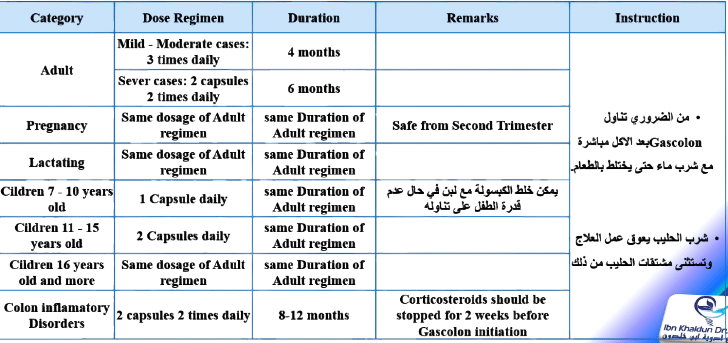
- Pack size: 60 Capsules.
- Public Price: 15.8 JOD.